
Street Art, Food, and Attractions in Kuala Lumpur: Why KL City Centre Appeals to International Buyers
Kuala Lumpur is often described through its skyline, shopping malls, and business districts, but that is only part of the story. For international buyers and expats, the city’s real appeal is in the everyday urban experience — the street art, the food, the walkable attractions, and the energy that makes central Kuala Lumpur feel alive.
This is one of the reasons KL city centre continues to attract attention from foreign buyers. A home in the heart of the city is not only about owning property in a prime location. It is also about living in a district that offers culture, convenience, and a lifestyle that feels international while still remaining distinctly Malaysian.
Street art and food may not seem directly connected to property at first glance, but they tell an important story. They show that KL city centre is not just a financial or commercial zone. It is also a place where people live, explore, dine, and experience the city on foot. For many buyers, that matters as much as the building itself.
Why Lifestyle Matters to International Buyers
International buyers do not always choose property based on price alone. They often look at the overall experience of living in a city. Is it lively? Is it safe and convenient? Are there interesting places to visit nearby? Can they enjoy the area without needing to travel far?
KL city centre answers many of these questions well. It offers access to luxury residences, business hubs, shopping, dining, entertainment, and cultural spaces in one central location. That is especially important for expats, overseas Malaysians, business owners, and high-net-worth individuals looking for a practical base in Southeast Asia.
A district with strong lifestyle value is easier to market, easier to rent, and easier to explain to foreign buyers. This is where street art, food streets, and urban attractions become useful selling points. They help show that central Kuala Lumpur is vibrant, walkable, and full of character.
Street Art Gives KL Character
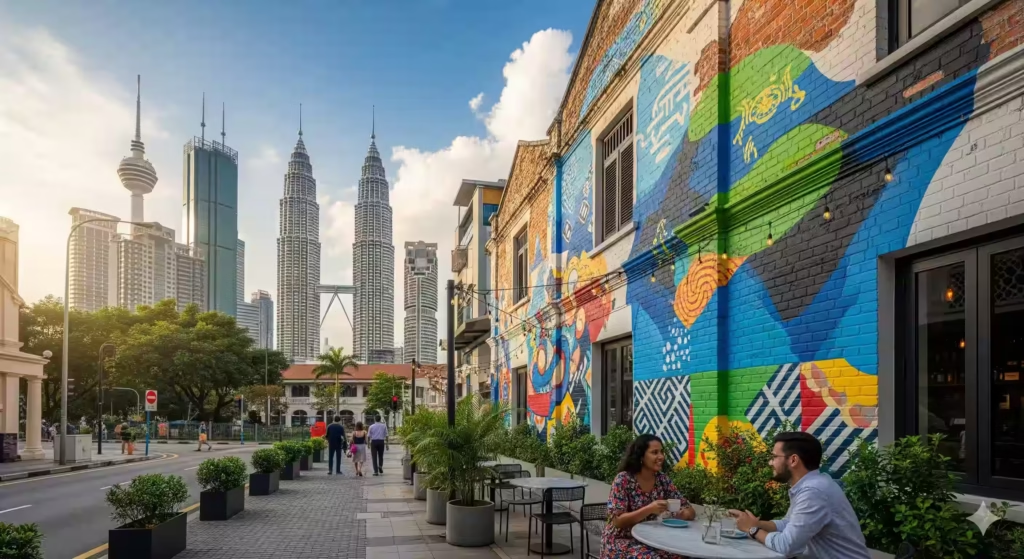
Kuala Lumpur’s street art is part of what gives the city its identity. In several central areas, murals and creative urban artworks add color and personality to the streets. These spaces make the city feel less generic and more memorable.
Areas such as Chinatown, Petaling Street, Kwai Chai Hong, Bukit Bintang, and parts of the old city centre offer some of the most visible examples of this creative culture. You can also find artistic expressions around River of Life, Jalan Bukit Nanas, Jalan Dang Wangi, and Dataran Merdeka. These locations help tell the story of a city that blends heritage, modern development, and visual creativity.
For international buyers, this matters because it reflects liveability. A city that has culture in its streets often feels more human, more interesting, and more attractive as a place to stay long term. It suggests that the city is not only functional, but also enjoyable.
Food Culture Adds Everyday Value
One of Kuala Lumpur’s biggest strengths is its food culture. In the city centre, food is not limited to restaurants inside malls or luxury hotels. It extends into street food areas, heritage dining streets, and neighborhood food destinations that are part of daily life.
This is especially visible around Chinatown, Petaling Street, Jalan Alor, and nearby central districts where people can find local dishes, casual dining, and late-night food options. For many visitors and expats, these food areas are a major reason why Kuala Lumpur feels exciting and easy to enjoy.
From a property perspective, food culture supports the value of central locations. Buyers want to know what life will be like beyond their condo walls. If a neighborhood offers excellent food, shopping, and entertainment within a short distance, it becomes much easier to justify buying or renting there.
That is one of the hidden strengths of KL city centre property. You are not just buying a unit. You are buying into a city lifestyle where dining, culture, and convenience are already established.
Attractions Make the City Centre More Desirable
Attractions are another important part of the story. International buyers are often drawn to cities that offer things to do nearby, especially if they plan to live there part of the year or host visiting family and friends.
KL city centre has no shortage of attractions. Heritage streets, murals, shopping districts, city viewpoints, riverfront areas, mosques, public squares, and iconic city landmarks all sit within or near the central core. This makes the area more dynamic and more appealing for both residents and guests.
A vibrant attraction cluster also supports rental demand. Expats and short-stay tenants often prefer locations that offer convenience and experiences nearby. The more active and interesting the neighborhood, the stronger the appeal can be for lifestyle renters.
This is especially relevant for international buyers who are thinking about both personal use and long-term value. A central property in a lively area often has broader demand because it serves more than one type of buyer or tenant.
Why This Matters for KL City Centre Property
When you combine street art, food, and attractions, you get a more complete picture of why KL city centre remains relevant. It is not just a business address. It is a city district with a lifestyle identity.
For foreign buyers, that can make the difference between a property that looks good on paper and one that feels right in real life. A location with character is often easier to understand, easier to market, and easier to appreciate over time.
This is why central Kuala Lumpur continues to perform well in the minds of international buyers. It offers:
- a cosmopolitan environment,
- easy access to daily conveniences,
- lifestyle attractions,
- strong city identity,
- and a sense of being in the heart of the action.
That combination is especially appealing to buyers who want a home base in Malaysia that feels premium but still practical.
KL City Centre Versus Fringe Locations
Some buyers are attracted to newer suburban areas because they offer larger units or lower entry prices. But many international buyers still prefer city centre locations because they provide immediate lifestyle value.
A fringe area may depend heavily on future development. KL city centre already has the advantage of being established. The streets are active, the food culture is in place, the attractions are present, and the area has a clear identity.
That makes central KL easier to explain to foreign buyers who may not be familiar with the city. You do not need to sell them a future promise. You can show them a real, functioning urban environment that already delivers convenience and energy today.
Good for Owner-Occupiers and Investors
The lifestyle appeal of street art, food, and attractions is useful for both owner-occupiers and investors.
For owner-occupiers, it makes the area more enjoyable to live in. A home in KL city centre means access to culture, food, and entertainment without needing long commutes.
For investors, lifestyle-rich districts often have stronger rental appeal. Tenants are frequently drawn to areas that feel active, convenient, and international. That can support occupancy and improve the marketability of the property.
This is why lifestyle content is valuable in property marketing. It helps buyers imagine the day-to-day experience of living in the area, not just the apartment layout or the building facilities.
KL city centre offers more than premium property — it offers a vibrant urban lifestyle shaped by street art, food culture, and exciting attractions.
Conclusion
Street art in Kuala Lumpur does not change property prices, but it helps explain why KL city centre feels attractive, human, and alive. When combined with food and nearby attractions, it creates a stronger lifestyle story that international buyers can connect with.
KL city centre is not only a property location. It is a place where culture, convenience, and city energy come together. That is exactly the kind of environment many foreign buyers and expats are looking for.
Ready to Explore KL City Centre Property?
Contact Boon Giap for personalized property consultation in KLCC, Bukit Bintang, and surrounding areas.
Boon Giap REN77901 | PropNex Malaysia
FAQ
Is street art in Kuala Lumpur relevant to property buyers?
Yes. It helps show the lifestyle, character, and urban appeal of KL city centre, which can matter to international buyers and expats.
Why include food and attractions in a property article?
Because buyers want to know what daily life feels like in the area, not just what the building looks like.
Which Kuala Lumpur areas are best for street art and food?
Chinatown, Petaling Street, Kwai Chai Hong, Bukit Bintang, Jalan Alor, and parts of the old city centre are among the best-known areas.
Is KL city centre a good area for international buyers?
Yes. It offers centrality, convenience, premium residences, and a strong urban lifestyle.
Can street art improve the appeal of a city?
Yes. It adds character, identity, and visual interest, which can make a city feel more attractive and memorable.
How does food culture support property demand?
Areas with strong food culture often feel more lively and convenient, which can increase appeal to buyers and tenants.
Is KL city centre better for living or investing?
It can work well for both, depending on the property type and buyer goal.
What is the main message of this article?
KL city centre offers premium property plus a vibrant urban lifestyle, and that combination is attractive to international buyers.